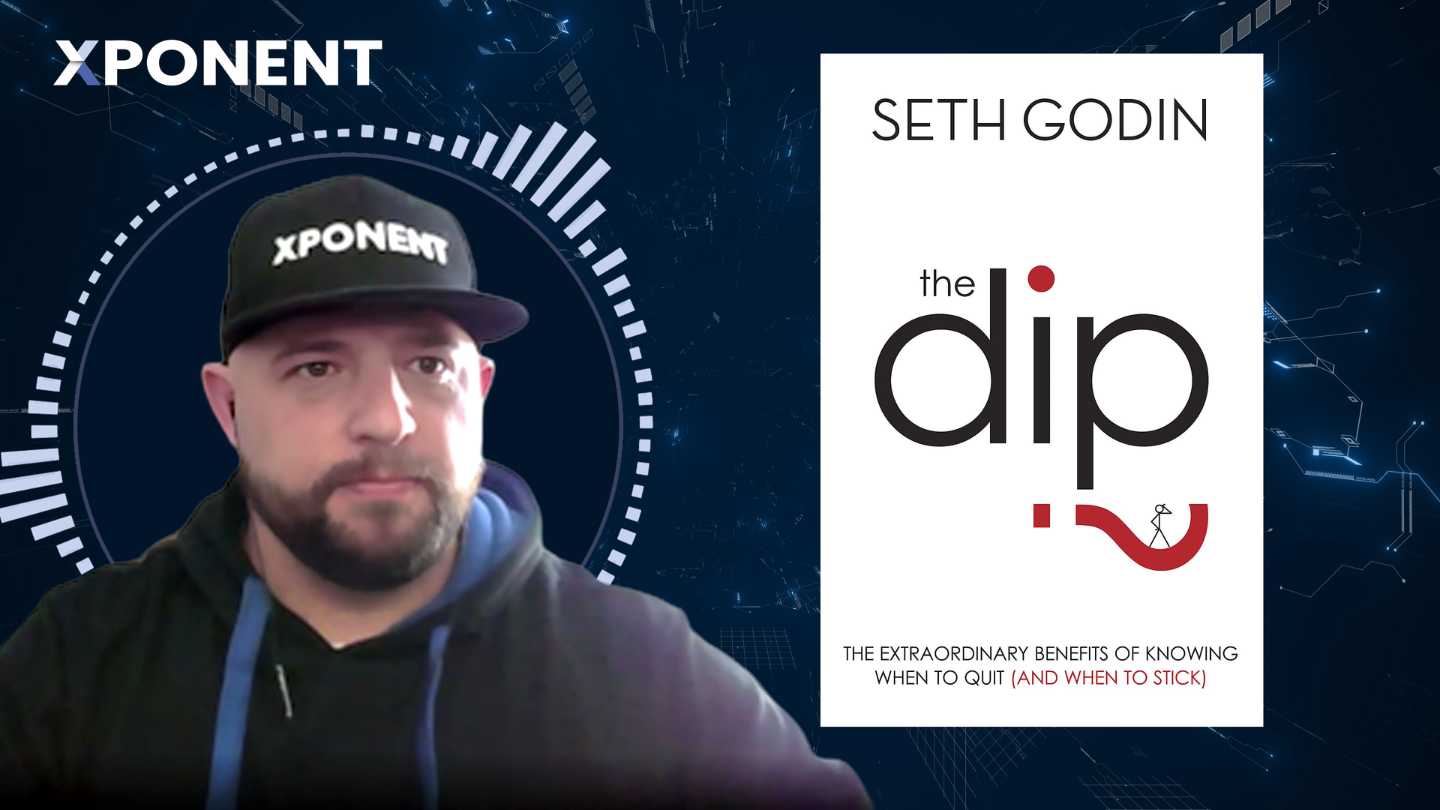
Every scaling B2B firm reaches a specific, uncomfortable milestone. It usually arrives after three to five years of consistent growth, fueled by the founder’s network and a handful of legacy accounts. Then, suddenly, the phone stops ringing as often. The low-hanging fruit has been harvested, and the cost of acquisition begins to climb.
This isn’t a failure of vision. It is the Dip – the chasm between being a successful small business and becoming a dominant market force.
As a consultant who has navigated dozens of firms through this phase, I have observed that most firms either plateau permanently or regress. However, elite leaders do something different: they stop relying on hustle and begin Industrial Marketing Strategy re-engineering.
The Anatomy of the B2B Plateau
In the South African B2B landscape, particularly within the engineering and manufacturing sectors, the Dip is often misdiagnosed as a market downturn or a sales team performance issue. In reality, it is a structural misalignment. Your initial growth was likely driven by technical excellence. But to cross the Dip, you need more than a superior product; you need a superior system.
The firms that emerge as market leaders understand that Business Development Systems in 2026 are no longer about volume; they are about precision. If your strategy still looks like it did in 2022, you aren’t just standing still – you’re falling behind.
Three Pillars of Re-Engineering for 2026
To navigate the Dip, leaders must shift their focus from tactical fixes to foundational systems.
1. Precision Over Presence
The era of awareness for awareness’s sake is dead. High-intent B2B decision-makers – the CEOs and Technical Directors you are courting – are fatigued by generic content. B2B Digital Transformation in South Africa has matured. Your audience doesn’t want a vendor; they want a partner who understands the granularities of their supply chain or the specific regulatory hurdles of the SADC region.
2. Engineering Brand Development
Your brand is not your logo. In a technical environment, your brand is the perceived risk-mitigation you offer. Engineering Brand Development involves codifying your expertise into intellectual property. Are you seen as a commodity or a category authority? Leaders who navigate the Dip successfully move their brand from the procurement conversation to the boardroom conversation.
3. Data-Led Strategy vs. Flashy Trends
At Xponent Marketing, we value accuracy over aesthetics. While the market gets distracted by the latest AI gimmicks, elite firms are doubling down on data cleanliness and attribution. You cannot scale what you cannot measure. A robust business development system provides a single source of truth, allowing you to see exactly where a lead originated and why they converted.
The Consultant’s Verdict: Why Most Quit
Most firms quit in the Dip because the re-engineering process is difficult. It requires the humility to admit that the methods which got you to R50 million in turnover will not get you to R500 million. It requires a shift from a Sales-Led mindset to an Authority-Led mindset.
The leaders who emerge as market leaders are those who treat their marketing and business development with the same rigour they apply to their engineering projects. They build systems that are repeatable, scalable, and – above all – accurate.
The Strategy for Emergence
If you find your firm in the midst of the Dip, the solution isn’t to work harder; it’s to build a better machine. The plateau is a signal that your current system has reached its maximum capacity. It is time to upgrade.