
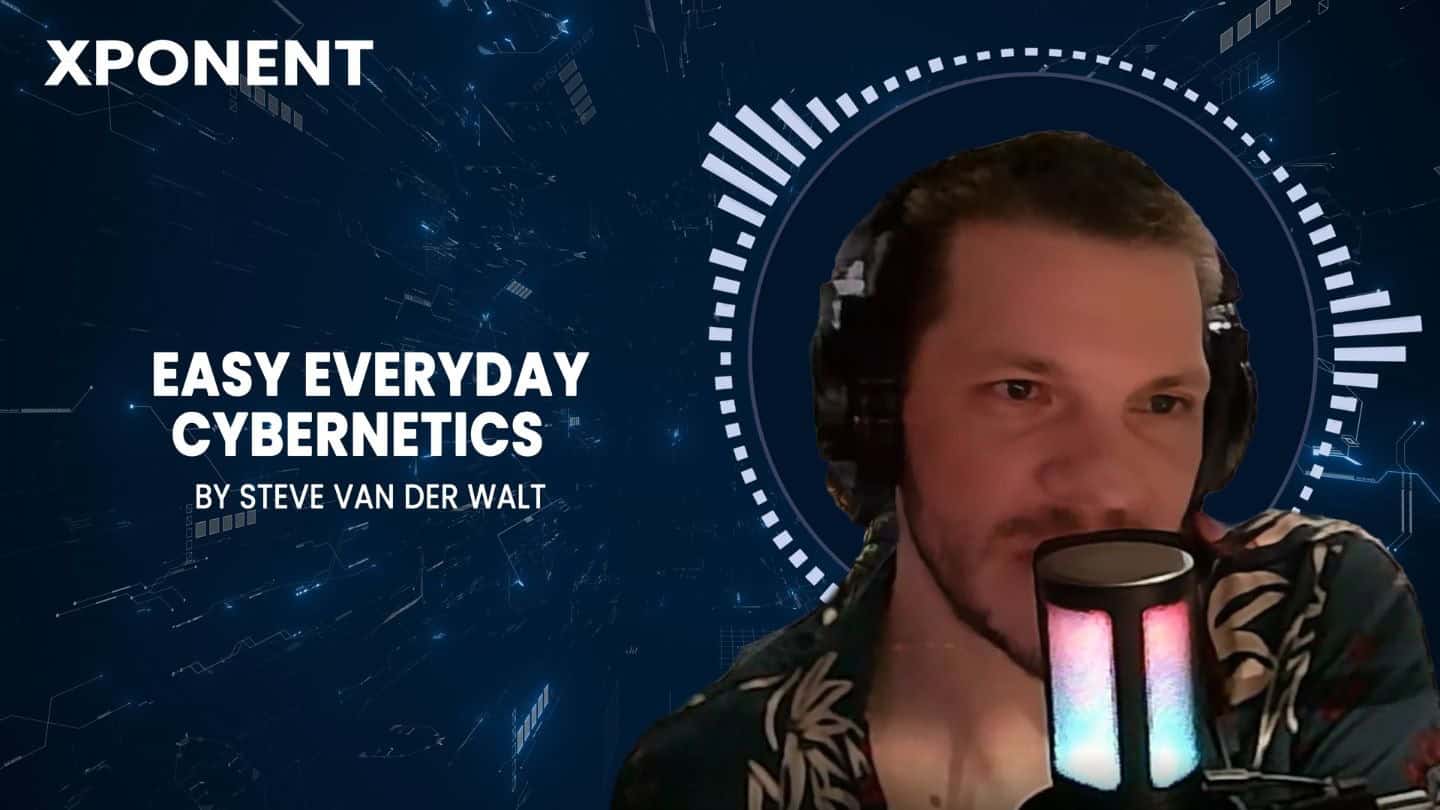
The current digital landscape is filled with promises that Artificial Intelligence is a universal solution for growth. However, a pattern has emerged where business owners chase the magic of tools while ignoring the underlying mechanics. To truly master automation, the focus must shift past the AI hype toward the foundational science that made it possible: Cybernetics.
A technical breakdown has been published on the Xponent YouTube channel that traces the lineage of these systems from their battlefield origins to modern boardroom strategies. To understand the difference between a passing trend and a permanent system, watch this YouTube video.
The origins of Cybernetics date back to World War II, specifically the need for anti-aircraft systems to predict the trajectory of enemy aircraft. This required a system capable of sensing movement, comparing it to a target, and self-correcting in real-time. This mechanism is known as the feedback loop.
In the modern business landscape, static strategies are obsolete. Cybernetics introduces the science of feedback loops and steering to ensure your marketing remains precise and adaptive. While AI serves as a powerful tool within this framework, the cybernetic structure ensures the tool reaches its intended target.
Our latest YouTube video deconstructs why returning to these fundamentals is essential for surviving market noise. A common pain point for South African business owners is a lack of control over automation. Many acquire software without establishing a system.
The fundamentals of Cybernetics address this through:
Accuracy in data and strategy is valued over flashy trends. AI may be the engine, but Cybernetics acts as the driver.
In the South African market, where resources must be managed with extreme precision, chasing every new AI tool leads to operational waste. The competitive advantage is held by those with robust control systems, not just the latest software.
Adopting Cybernetics installs a functional nervous system into a business. It transitions an organisation from being a mere user of technology to an architect of automation. This technical approach allows a business to remain resilient during economic fluctuations because the systems are designed to self-correct based on real-time market feedback.
Thriving in 2026 requires a commitment to industry nomenclature. AI is a component; Cybernetics is the discipline. If a marketing strategy feels like a collection of disconnected tools, it lacks the essential feedback loop.
Benefits of a cybernetic approach include:
Technology should not be treated as a shortcut, but as a system. Cybernetics provides the steering required to navigate the complexities of modern business. It is time to look past the glitter of AI hype and focus on the fundamentals that have governed precise systems for nearly a century.
Watch the YouTube video to see these principles applied to real-world marketing scenarios.
For those ready to move beyond the superficial and implement a marketing engine that self-corrects, visit our website or get in touch with an expert.
Tags and Categories:
Share this Post: